
Malawi government has called for early and coordinated preparedness ahead of the 2026/27 rainy season, warning that the anticipated strong El Niño could bring climate-related challenges despite forecasts of normal to above-normal rainfall across most parts of the country.
The Department of Climate Change and Meteorological Services (DCCMS) says most areas are expected to receive normal to above-normal rainfall between October and December 2026 and January and March 2027.
However, some areas in the north may experience normal to below-normal rainfall at the beginning of the season, while Mchinji, Dowa, Kasungu and Lilongwe are likely to have normal to below-normal rainfall later in the season.
Speaking in Lilongwe during the launch of the 5th National Climate Outlook Forum, NACOF-5, and the Impact-Based Forecasting under the WISER ActionFirst Workshop, Minister of Natural Resources and Climate Change, Patricia Wiskes, said the forecast should be treated as a planning tool rather than a reason for complacency.
Wiskes said the anticipated El Niño should not create panic, but should encourage government, communities and climate-sensitive sectors to prepare before potential impacts occur.
She said the information should help farmers make decisions on planting periods and crop selection, while sectors such as health, water, energy, transport and disaster management use the forecast to strengthen their preparedness measures.
The Minister also acknowledged challenges in delivering climate information to communities on time, saying government is working to ensure forecasts reach people at grassroots level early enough to support informed action.
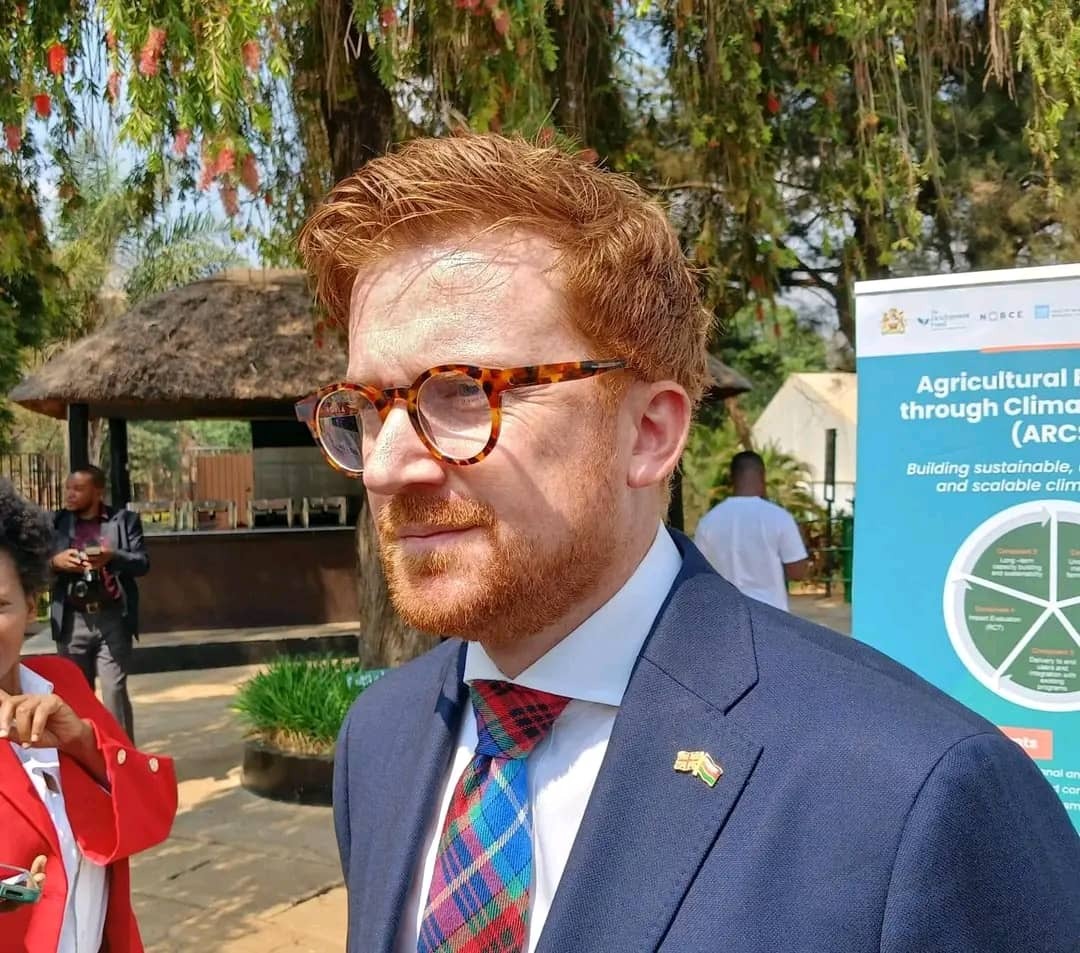
Meanwhile, UK Deputy British High Commissioner and Development Director, Ben Nicholson, said early action can significantly reduce the effects of climate shocks.
Nicholson said the United Kingdom is supporting Malawi to turn climate forecasts into practical interventions, including promoting drought-resistant crops, monitoring markets and exploring disaster-risk financing, with more than three million US dollars committed this year.
He said accurate forecasts are most valuable when they reach people at the right time and in a form that enables them to protect their families, livelihoods and property.
The call for early preparedness comes as Malawi continues to face the effects of extreme weather events, including prolonged dry spells and disasters such as Cyclone Freddy, which have highlighted the high cost of responding after disasters strike.
Tagamchira Meeklem Chiperesa – Staff Reporter, Blantyre